
Summary
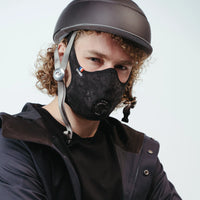
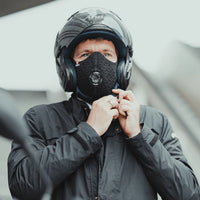
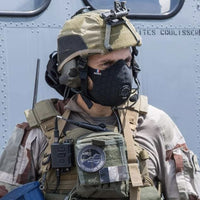
Wearing a respirator mask and hearing protection at the same time isn't hard - but the wrong combo will absolutely ruin your seal, your comfort, or both.
Here's the short version:
-
Earmuffs + mask = the strap is your enemy. Look for a mask with a thin, low-profile strap system (not a thick elastic band) and earmuffs with slim, low-profile ear cups.
-
In-ear protection (foam or electronic earbuds) + mask = almost zero conflict. This is the safest bet if you want a bulletproof respirator seal.
-
Glasses go under everything else, always - mask seal first, then glasses arms, then ear pro on top.
-
For serious noise exposure (indoor ranges, magnum calibers), double up: plugs and muffs, per NIOSH guidance.
If you shoot regularly, your gear stack is: respirator → shooting glasses → earmuffs or plugs. Get that order wrong and something will leak - either lead-laced air past your mask seal, or noise past your ear pro.
Let's break down exactly how to build a combo that actually works together.

Why combining mask + ear protection is trickier than it sounds
Every strap you add to your head competes for the same real estate: your temples, the back of your skull, and the area right around your ears.
A shooting range respirator needs a tight, unbroken seal against your face - any gap, and you're breathing in airborne lead particulates from primer residue instead of filtering them out. That's the whole point of wearing one.
The problem? Most hearing protection also needs firm contact - either pressure around your ear (earmuffs) or a deep seal in your ear canal (plugs). Stack a bulky elastic mask strap under a foam-lined earmuff cup, and you've created a pressure point that breaks the mask seal, fogs your glasses, or gives you a headache by round 20.
We tested this exact stack-up across a few range sessions, and the pattern is consistent: strap thickness and cup depth are what make or break compatibility - not brand, not price.
Earmuffs vs in-ear protection: which pairs better with a respirator?
Earmuffs (over-ear)
Pros:
-
Higher perceived comfort for beginners - nothing goes in your ear
-
Easy on/off between strings of fire
-
Electronic models let you hear range commands and other shooters
Cons with a mask:
-
The headband crosses directly over your mask's head straps
-
Bulky ear cups can crush a respirator's side seal against your cheekbone
-
Not ideal if you also wear a hat or shooting glasses with thick arms
Best fix: go with low profile shooting ear protection - slim-cup electronic earmuffs sit closer to the head and clear most mask strap paths. Pair them with a respirator that uses a behind-the-head strap cradle instead of a single wide elastic band across the crown, since that's the exact spot where earmuff headbands land.
In-ear protection (foam plugs, custom molds, electronic earbuds)
Pros:
-
Zero interference with a mask's head straps - nothing crosses your temples
-
Best option if your priority is a perfect respirator seal
-
More discreet and lighter for long range days
Cons:
-
Foam plugs need a proper deep insertion (roll, pull ear up and back, hold) - done wrong, you lose several dB of protection
-
Some shooters find in-ear less comfortable over hours vs. muffs
-
Cheap foam plugs alone often sit below the NRR you actually need indoors
Best fix: if you're already running a well-sealed respirator, in-ear plugs or electronic earbuds are the path of least resistance. No strap conflict, full stop. ✅
The verdict
If your #1 priority is respirator seal integrity (which it should be - lead exposure is the bigger long-term health risk), in-ear protection is the safer pairing. If you strongly prefer muffs, go low-profile and choose a mask with a rear strap cradle rather than a crown-crossing band.
Don't forget the glasses: layering order matters
This is where most people get it backwards. Shooting glasses have arms that run straight through the mask-to-ear zone - exactly where your seal and your ear pro both need clean contact.
Correct layering order, front to back:
-
Mask first - get the nose bridge and cheek seal set before anything else touches your face.
-
Glasses second - slide the arms over the mask straps, not under them, so the mask keeps direct skin contact.
-
Ear protection last - muffs go over both the mask strap and glasses arms; in-ear plugs go in regardless of order since they don't compete for space.
Thin, wire-core or flexible plastic glasses arms cause way fewer pressure points than thick, chunky sport-frame arms. If you're getting a red mark or a seal gap on your temple by the end of a session, that's your glasses arm - not your mask - that needs swapping.
Quick buying-guide checklist
When you're shopping for eye and ear protection for shooting to go with your respirator, run through this list:
-
Mask strap style: rear cradle or thin dual-strap system, not a single wide crown band
-
Earmuff cup depth: low-profile / slim-cup design if you're going the earmuff route
-
Glasses arm thickness: thin, flexible arms over chunky sport frames
-
NRR rating: at least 22 dB for outdoor casual shooting; look at doubling up (plugs + muffs) for indoor ranges or magnum calibers
-
Electronic vs passive muffs: electronic if you need to hear range commands or other shooters clearly
-
Seal check: do a full face-seal test (positive/negative pressure check) after adding glasses and ear pro, not before
How much noise protection do you actually need?
Gunshots routinely hit 140 dB or more at the source - well past the threshold where hearing damage happens instantly, not over years. NIOSH recommends dual hearing protection (plugs under muffs) any time exposure runs above 100 dBA, and indoor ranges almost always land in that zone because of sound reflecting off walls.
The math isn't additive, though. Combining a plug and a muff doesn't mean you add their two NRR numbers - the practical rule of thumb is roughly +5 dB over your higher-rated single device. So a 33 dB foam plug plus a 30 dB muff gets you to about 35–38 dB effective protection, not 63. Still, that's the best passive setup you can build, and it's exactly why serious shooters double up rather than trusting one device alone.

FAQ
Can I wear earmuffs and a respirator mask at the same time without ruining the seal?
Yes, if you pick a mask with a rear-strap cradle system and low-profile earmuffs. A single wide elastic band that crosses the crown of your head is the main culprit behind seal breaks - swap that first before blaming the muffs.
Are in-ear plugs better than earmuffs when you're also wearing a respirator?
For seal integrity, yes. In-ear protection doesn't cross your temples or the back of your head, so it never competes with your mask straps. Earmuffs can work fine too, just go low-profile.
Do glasses affect my mask seal more than my ear protection does?
Often, yes - thick glasses arms sitting right along the seal line are a common overlooked leak point. Put the mask on first, then glasses, then ear protection, and use thin-arm frames if you can.
What NRR do I need for an indoor shooting range?
Aim for double protection (plugs + muffs) any time you're indoors or shooting magnum calibers. Combined, that typically nets you 35+ dB of effective attenuation, which is what NIOSH-style guidance points to for high-exposure environments.
How do I know if my mask seal is actually broken by my ear or eye gear?
Do a seal check with all your gear on - glasses, ear pro, everything. If you feel airflow around your nose or cheeks, or see fogging appear that wasn't there before, something in the stack is pressing on the seal line.
Ready to build your full range kit?
Get the seal right first - it's the part doing the real work against airborne lead. Check out the shooting range lead mask from R-PUR to anchor your setup, then layer your glasses and ear protection on top using the order above.
Useful sources


